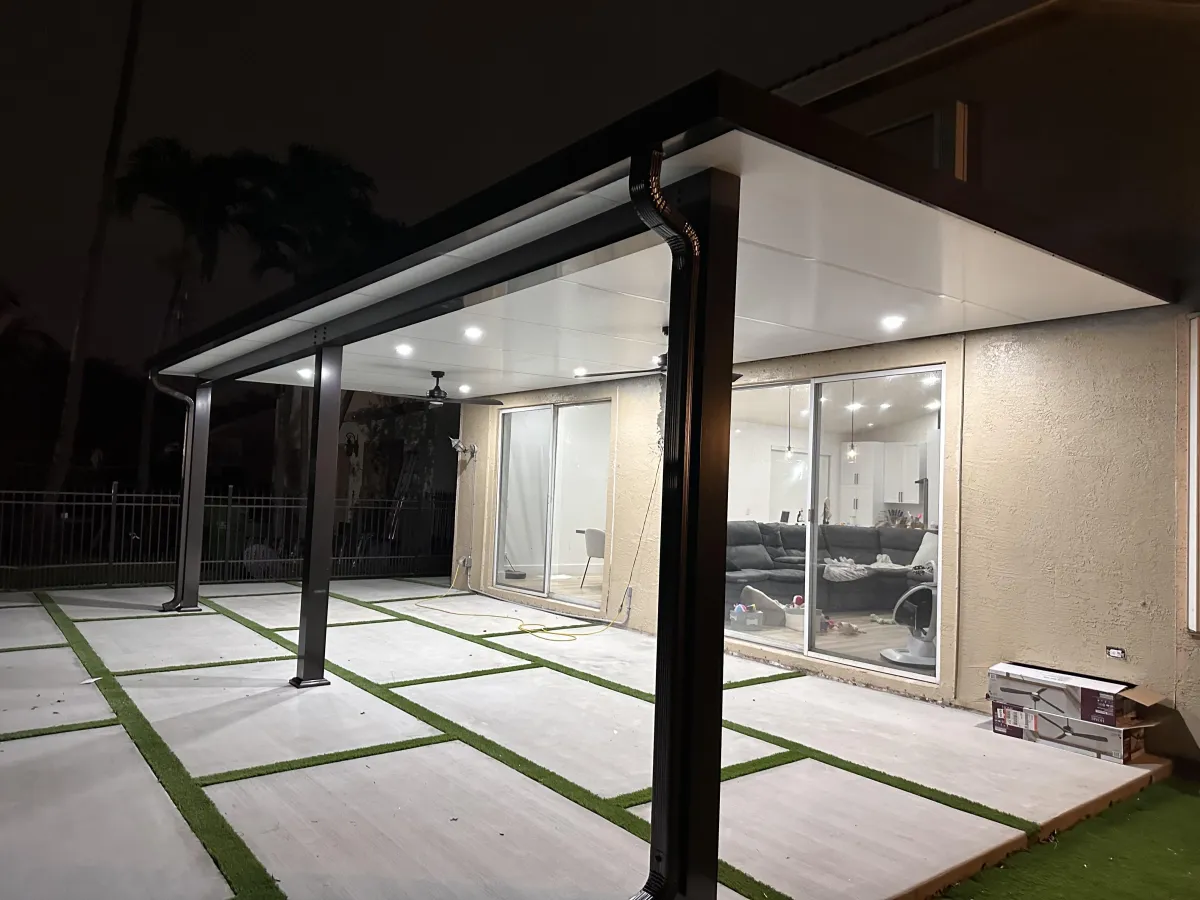
Hurricane-Rated Pergolas in South Florida Codes
Pergolas are one of the most popular outdoor upgrades in South Florida right now — especially in areas likePinecrest,Weston,Parkland, andCoral Gableswhere homeowners want usable shade without fully enclosing the backyard.
But in Miami-Dade and Broward, pergolas are not just a design feature. They’re a structural addition that has to meet some of the strictest wind-load requirements in the country.
And this is where many homeowners get confused.
A lot of contractors advertise “hurricane-rated pergolas,” but very few homeowners are told what that actually means — or what South Florida building code really requires.
At Concrete Designs LLC, we’ve spent 20+ years building outdoor living spaces across Miami-Dade and Broward. Family-owned, permit-focused, and honest about the difference between a pergola that simply looks good… and one engineered for South Florida weather.
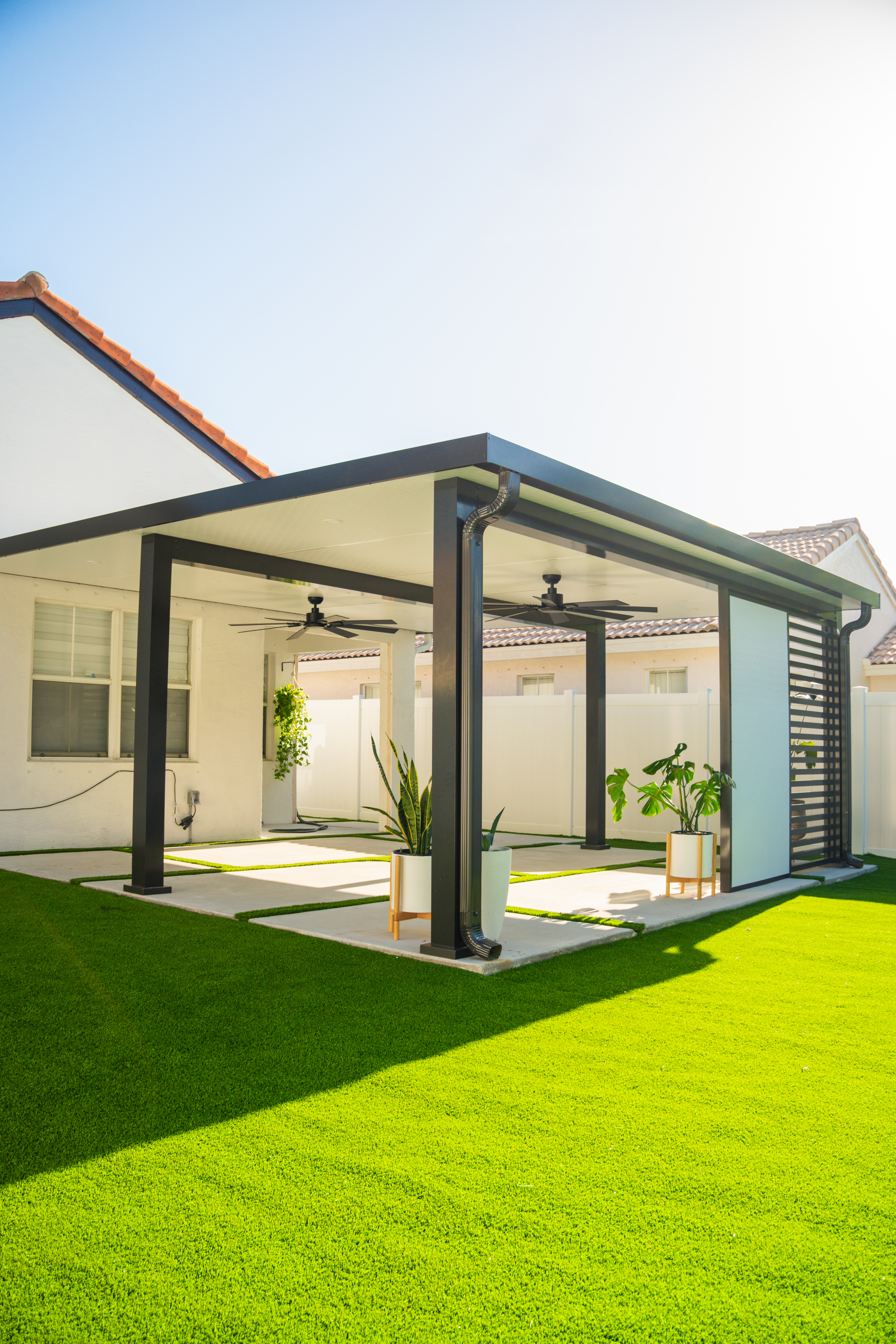
What Does “Hurricane-Rated Pergola” Actually Mean?
A hurricane-rated pergola is designed and engineered to withstand specific wind-load requirements established by Florida building code.
In South Florida, pergolas typically need:
Engineered plans
Proper footing design
Approved anchoring systems
Wind-load calculations
Permit approval
Inspection compliance
The exact requirements depend on:
Your city
Roof style
Attachment method
Height
Overall square footage
Exposure conditions
In Miami-Dade County especially, many pergola systems require a Miami-Dade NOA (Notice of Acceptance) approval.
That approval verifies the product or system has been tested to meet local high-velocity hurricane zone standards.
For homeowners, this matters because not every pergola system sold online or by out-of-state companies is approved for South Florida installation.
Why South Florida Pergola Codes Are So Strict
South Florida sits in a High Velocity Hurricane Zone (HVHZ), which means structures must handle extreme wind conditions.
That includes outdoor structures like pergolas.
Cities likeCoral Gables,Pinecrest, andMiamiall enforce strict structural standards because of hurricane exposure.
A properly engineered pergola usually considers:
Wind uplift
Lateral movement
Footing depth
Beam spans
Attachment hardware
Existing slab conditions
This is also why permitting is critical.
A contractor skipping permits may also be skipping:
Engineering review
Wind-load calculations
Structural inspections
Proper footing requirements
“If a contractor tells you they can build a pergola tomorrow with no plans or permits, I’d rather know than wonder what corners are getting cut.”
At Concrete Designs, we pull permits ourselves and coordinate engineering directly because we know how important compliance is long-term.
Aluminum Pergolas vs. Wood Pergolas in South Florida
One of the biggest decisions homeowners make is material selection.
In South Florida, insulated aluminum pergolas have become increasingly popular because they handle:
Humidity
Heat
Heavy rain
Salt air
UV exposure
…far better than traditional wood in many cases.
Wood pergolas can still look beautiful, but they usually require more maintenance over time — especially in coastal environments.
Aluminum systems also often integrate better with:
Lighting
Fans
Tongue-and-groove ceilings
Outdoor kitchens
Modern backyard designs
Many hurricane-rated aluminum pergola systems also already carry Miami-Dade NOA approvals, which can simplify engineering and permitting.
You can explore examples on ourpergola installation page.
Do Pergolas Require Permits in Miami-Dade?
In most cases, yes.
Even if the pergola is “open-air,” South Florida municipalities often still require:
Permit applications
Engineering plans
Property surveys
Wind-load compliance
Inspections
The requirements can vary depending on:
Attached vs freestanding pergolas
Overall size
Roofing material
Electrical additions
HOA regulations
For example, a freestanding pergola inCoral Gablesmay have different setback requirements than a pergola in unincorporated Miami-Dade.
General permit information can be reviewed throughMiami-Dade County permitting resources.
This is one reason experienced pergola contractors always evaluate the property first before giving final recommendations.
What Most Homeowners Get Wrong About Pergola Pricing
A lot of homeowners compare pergola quotes based only on size.
But pricing differences often come from:
Engineering requirements
Material thickness
Roof panel systems
Attachment methods
Footing depth
Permit coordination
Electrical integration
Finish quality
In South Florida, a professionally installed pergola often ranges from roughly $4,000 to $15,000+ depending on complexity, materials, and whether insulated roofing systems are included.
A low quote may not include:
Permits
Engineering
Concrete work
Electrical
HOA submissions
NOA-approved systems
That’s why itemized proposals matter.
Questions to Ask Before Hiring a Pergola Contractor
Before signing a contract, homeowners should ask:
Is the pergola engineered for South Florida wind loads?
Not all pergola systems are approved locally.
Are permits and engineering included?
Some contractors leave those costs out initially.
Is the structure Miami-Dade approved?
Especially important in HVHZ areas.
What material is being used?
Not all aluminum systems are equal.
Is the existing slab strong enough?
Some patios require additional footing work.
Will lighting or fans be added later?
Planning utilities early prevents expensive changes later.
At Concrete Designs LLC, we walk homeowners through all of this during the estimate process.
30 minutes, free, no quote unless you ask for one.
Why Experience Matters With Pergola Installation
Pergolas may look simple, but structurally they’re not.
In South Florida, a pergola has to survive:
Hurricane-force winds
Year-round UV exposure
Heavy rain
Humidity
Salt-air corrosion
Shifting soil conditions
That’s why experience matters.
Family-owned · 20+ years · Miami-Dade & Broward.
“Anybody can install something that looks good on day one. The goal is building something that still performs years from now after real South Florida weather hits it.”
At Concrete Designs, we focus on residential-quality finish at commercial speed — without cutting corners on engineering or permitting.
FAQs
Do pergolas need permits in South Florida?
In many cases, yes. Most pergolas in Miami-Dade and Broward require permits, engineering, and inspections.
What is a Miami-Dade NOA?
NOA stands for Notice of Acceptance. It confirms a product or system meets Miami-Dade hurricane and wind-load requirements.
Are aluminum pergolas better than wood in South Florida?
For many homeowners, yes. Aluminum pergolas typically handle moisture, heat, and salt air with less maintenance over time.
Ready to get started? Get afree on-site estimatefrom the Concrete Designs team — we'll walk your property, talk through what's possible, and send you a fixed-price quote with no surprises.Call (786) 269-9215, or message us atconcretedesignsllc.com. Ask about0% APR financingthrough Wisetack and Wells Fargo. Family-owned · 20+ years · Miami-Dade & Broward.


