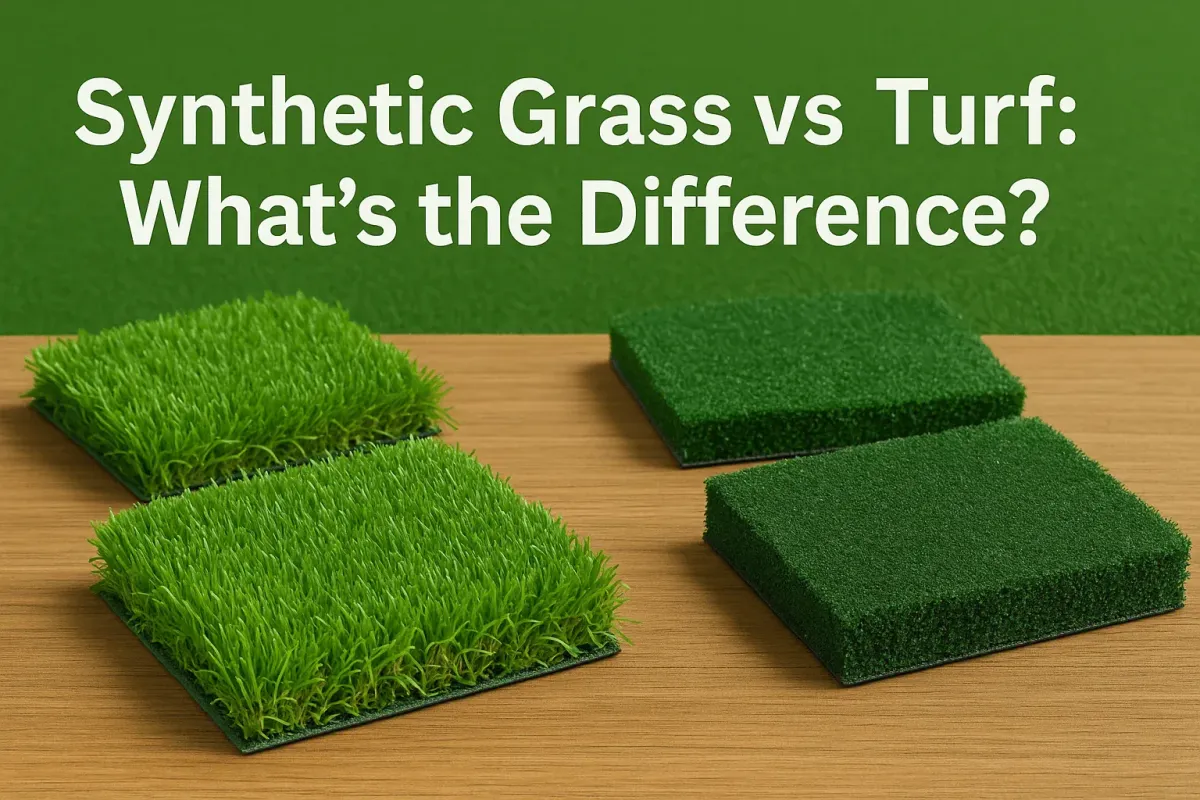
Turf vs Natural Grass: Which Is Better in Florida?
If you own a home in Florida, especially in Miami, you already know that keeping a lawn looking good year-round isn’t easy.
Between extreme heat, heavy rain, high humidity, pets, and shade issues, natural grass often struggles to stay green and healthy. That’s why many homeowners are asking:
Is artificial turf better than natural grass in Florida?
The honest answer?
It depends on your priorities — maintenance, cost, appearance, and long-term value all play a role.
In this guide, we’ll compare turf vs natural grass in Florida’s climate, so you can decide what works best for your home.
The Reality of Natural Grass in Florida
Natural grass looks great when it’s healthy — but Florida’s climate makes consistency difficult.
Common Problems With Natural Grass in Miami
Patchy growth from sun and shade imbalance
Muddy areas during rainy season
Brown spots from pet use
High water consumption
Frequent mowing and fertilizing
Weed growth
Even well-maintained lawns require ongoing time and money.
For many Miami homeowners, grass becomes a constant maintenance cycle.
What Artificial Turf Offers Instead
Modern artificial turf is very different from what people remember 15–20 years ago.
Today’s turf is:
Realistic in color and texture
Designed for drainage
UV-resistant
Built for heat and heavy use
👉 Learn more about professional artificial turf installation here:
https://concretedesignsllc.com/artificial-turf
When installed properly, artificial turf delivers a clean, uniform look with minimal upkeep.
Turf vs Natural Grass: Head-to-Head Comparison
1. Maintenance
Natural Grass
Requires mowing, watering, fertilizing
Needs pest control
Requires seasonal repair
Artificial Turf
Occasional rinsing
Light brushing
No mowing or watering
Winner for maintenance: Artificial turf
2. Water Usage
Florida homeowners face rising water costs.
Natural Grass
Requires regular irrigation
Higher monthly water bills
Artificial Turf
No irrigation required
Significant long-term savings
Winner for water conservation: Artificial turf
3. Appearance Consistency
Natural Grass
Can look beautiful when healthy
Prone to brown patches and uneven growth
Artificial Turf
Consistent green appearance year-round
No seasonal discoloration
Winner for visual consistency: Artificial turf
4. Upfront Cost
Natural Grass
Lower initial installation cost
Artificial Turf
Higher upfront investment
Lower long-term maintenance cost
Winner for short-term budget: Natural grass
Winner for long-term savings: Artificial turf
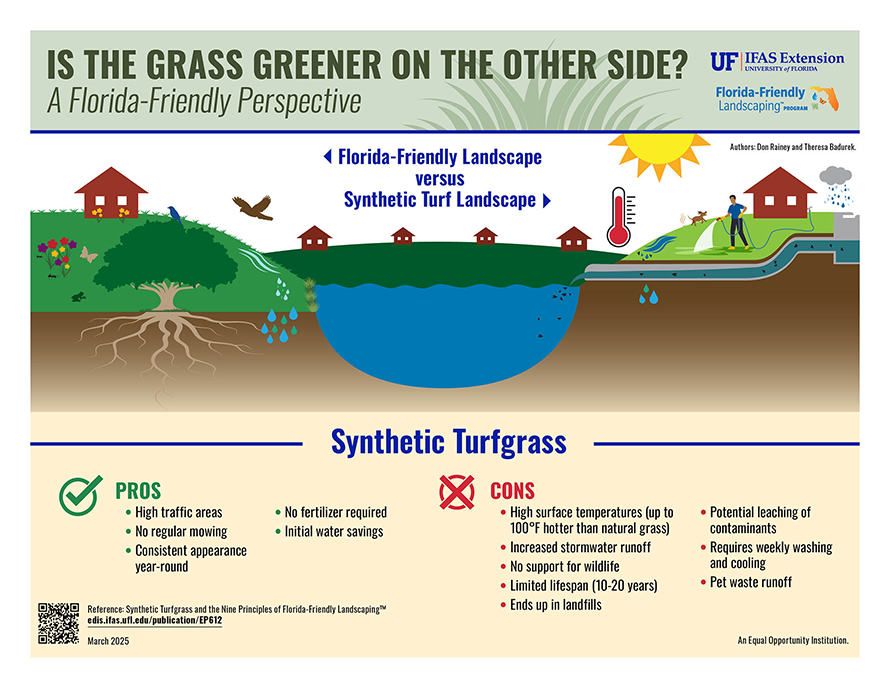
5. Heat in Direct Sun
This is where turf and grass differ.
Natural Grass
Naturally cooler under direct sun
Artificial Turf
Can get warm in direct sunlight
However:
Lighter turf colors reduce heat
Pool areas and shaded designs help
Proper infill improves comfort
For many homeowners, smart design solves most heat concerns.
Where Artificial Turf Makes the Most Sense in Florida
Artificial turf is especially beneficial for:
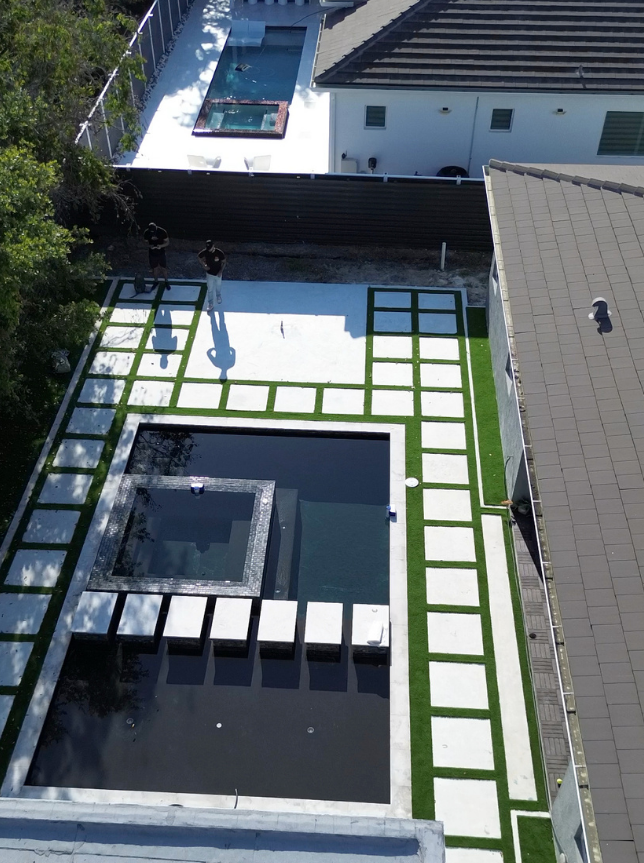
Pool areas
Side yards
Shaded backyards
Pet zones
Small or irregular spaces
In these areas, natural grass often fails to thrive.
Where Natural Grass May Still Work
Natural grass can be a good option for:
Large open lawns
Homes prioritizing traditional landscaping
Areas used for sports or high activity
If properly maintained, natural grass can still perform well — but it requires ongoing effort.
Drainage Considerations in South Florida
Drainage is critical in Miami’s climate.
Artificial turf systems are built with:
Permeable backing
Compacted stone base
Grading for water flow
When installed correctly, water drains through the system rather than pooling.
Poor drainage is a bigger risk with improperly graded natural grass lawns.
👉 Learn more about our Miami projects here:
https://concretedesignsllc.com/miami
Environmental Considerations
Artificial turf:
Eliminates fertilizers and pesticides
Reduces water usage
Lowers lawn equipment emissions
Natural grass:
Supports soil ecosystem
Absorbs carbon
Requires chemicals for optimal appearance
Both have environmental trade-offs — but turf often reduces water waste significantly in Florida.
Financing Options Available
If cost is your main concern, financing can make turf installation more accessible.
We offer flexible financing through:
Wisetack
GreenSky
Wells Fargo
Financing allows homeowners to:
Upgrade now
Spread payments over time
Preserve cash flow
We’ll review options clearly during your estimate.
So, Which Is Better in Florida?
For most Miami homeowners seeking:
Low maintenance
Consistent appearance
Water savings
Clean modern design
Artificial turf is often the better long-term solution.
For those who enjoy traditional lawn care and don’t mind maintenance, natural grass can still work — but it requires commitment.
Ready to Upgrade Your Backyard in Miami?
If you’re considering artificial turf and want professional installation designed for Florida’s climate, we can help.
👉 Request a Free Estimate:
https://concretedesignsllc.com/contact-us
Let’s build a backyard that works for your lifestyle.
Frequently Asked Questions
Does artificial turf get too hot in Florida?
Turf can get warm in direct sun, but lighter colors, proper infill, and shaded areas significantly reduce heat. Many homeowners combine turf with patios or pergolas for added comfort.
How long does artificial turf last in South Florida?
When professionally installed, artificial turf can last 15–20 years in Florida’s climate with minimal maintenance.
Is artificial turf safe for pets?
Yes. Modern turf systems are designed for drainage and easy rinsing, making them safe and practical for pet-friendly homes.


